
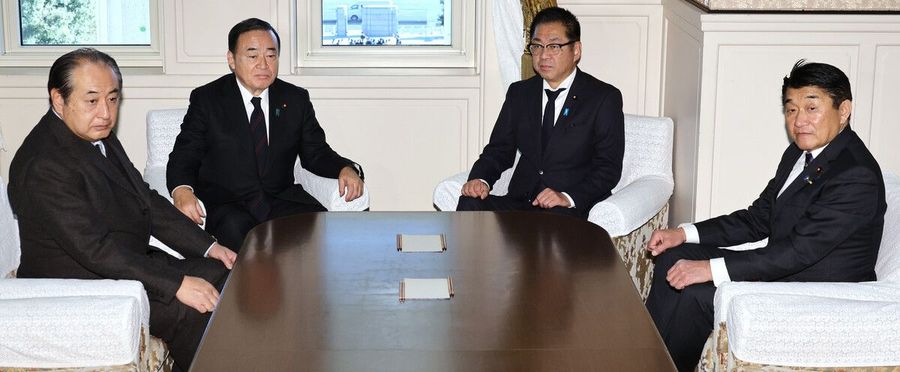
Rising discontent is evident in Japan's self-governing bodies as mutual skepticism grows over the proposed reduction in the number of parliamentary seats. This divisive move, aimed at streamlining decision-making and cutting costs, has instead led to internal friction and public suspicion. The exact timeline of the proposal's implementation and its expected effects remain uncertain.
In Japan, the proposal to reduce parliamentary seats is both a contentious and complex issue. It involves stakeholders from various factions within the ruling and opposition parties, and is seen as a test for democracy and representation in the nation. The dim view expressed by the public reflects concerns about potential concentration of power and lack of representation.
In the US and EU, similar issues concerning representation and the distribution of power in legislative bodies evoke robust public discourse and often cue major electoral campaigns. Adjustments to the number of seats, especially reductions, are viewed critically due to concerns relating to diminished representation and potential political gerrymandering.