
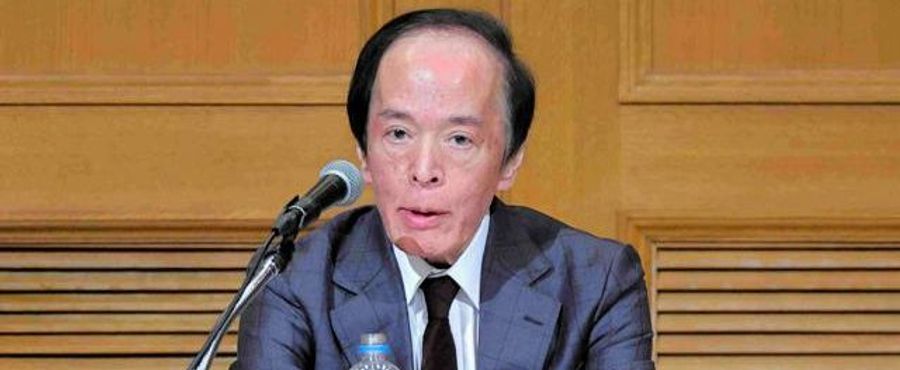
In an unprecedented move not seen in thirty years, the Bank of Japan has made the bold decision to increase its interest rates to 0.75 percent. This decision comes in response to the current economic climate in Japan and is aimed at stirring economic growth by making borrowing less enticing and saving more appealing. Understanding the full impact of this change will take some time, but it is clear that it signals a significant transition in the country's economic strategy.
Interest rates have remained extremely low in Japan for decades due to its stagnant economy. Any increase in the interest rate is perceived as a signal of economic recovery, a topic that is closely watched by businesses and households across the nation. This change could potentially lead to an increase in savings and reduced spending which can ultimately impact the consumer economy.
Interest rate hikes are not uncommon in western economies like the US or the EU, where they are often used as a tool to control inflation and stabilize the economy. But given Japan's long struggle with deflation and economic stagnation, this move is rather surprising and marks a distinct shift from its traditional economic approach.