
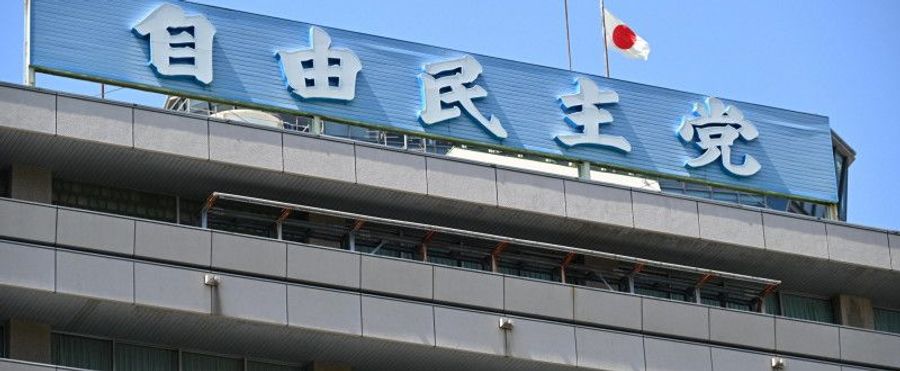
Japan's government has drawn up a draft plan for extending the post-disaster increase in taxes. The proposal is a vital part of the larger tax reform outline, which aims to support the continuous recovery efforts from past disastrous events. The proceeds from the boost in taxes will serve as a significant funding source for various infrastructural, social, and economic rehabilitation initiatives. The schedule for implementing this extension, as well as its potential effects on the Japanese populace and economy, are yet to be released.
In Japan, tax policy decisions significantly impact national disaster recovery efforts, thus inhabiting a place of great interest in public and political debate. The Japanese society values the welfare of the citizens and the nation's resilience to disasters, which the tax reform directly touches upon. The proposed tax increase reflects the nation’s long-term commitment to disaster recovery and improving national infrastructure, even if it means bearing additional tax burdens.
Like Japan, the US and EU typically employ fiscal policy tools, like tax adjustments, for disaster recovery funding. However, the effectiveness and public reception of such policies vary. In the US, reconstruction costs after disasters are often covered by insurance and federal aid rather than increased taxes. Contrarily, EU nations like Germany have previously introduced similar surcharges aimed to fund significant infrastructure or social projects.