
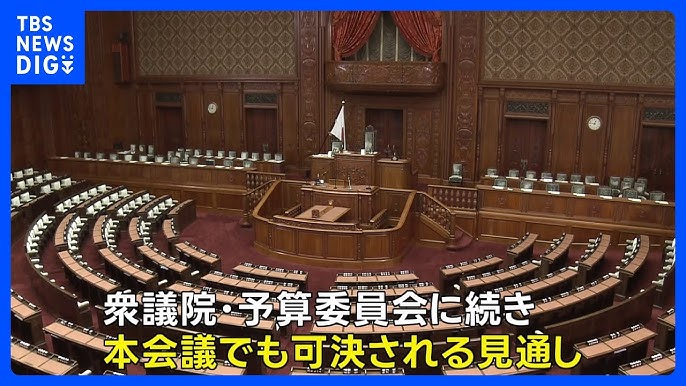
Japan's House of Representatives stamp of approval on the massive 18 trillion yen (approximately $165 billion) supplementary budget bill underscores a significant movement within the country's economic realm. While the precise allocation details remain undisclosed, it is anticipated that a significant proportion will be devoted to pandemic recovery and economic stimuli. The budget, one of the largest in Japan's history, promises to bolster the country's economy amidst the ongoing global economic adversities.
Economic policy is a fundamental concern for Japanese citizens who, amidst a sluggish economy and the pandemic, are considering their future livelihoods and prosperity. Citizens scrutinize government's every fiscal move, the support for businesses, social security and recovery measures. Japan's response to economic downturns is typically robust, involving significant financial inputs in a bid to stimulate growth and safeguard societal wellbeing.
Similar economic decisions occur in both the US and EU: massive financial packages were passed to mitigate the effects of the pandemic. However, Japan's swift decision-making process contrasts with the protracted political negotiations often involved in the US and EU budgetary policy.