
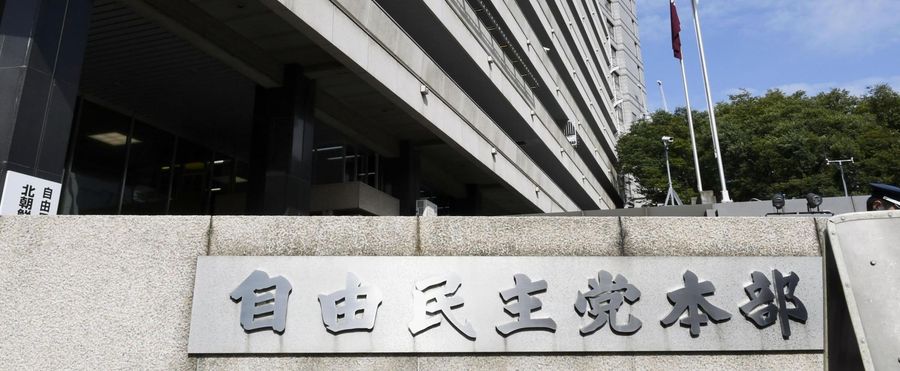
The Liberal Democratic Party (LDP) of Japan is considering a proposal to revise the so-called "income wall". Currently, individuals earning an annual income of less than ¥1.3 million are exempted from resident tax and granted full social security benefits. The LDP's proposed change suggests a new income bracket of ¥1.68 million. This alteration has potential implications for employees' disposable income and employers' pay structures.
In Japan, the "income wall" is a hotly debated issue as it impacts social security, taxation, and individual income. Many believe the threshold is set too low, penalizing part-time or low-wage workers and discouraging additional work due to risk of losing benefits. The proposal from the LDP, Japan's ruling party, is of significant interest to many Japanese citizens.
In the US or the EU, social benefits and tax slabs are handled differently as they typically employ a more gradual scaling system rather than an abrupt cut-off point. Discussions around such issues are also prevalent, focusing on ensuring fairness in taxation and incentivizing work without penalizing those in lower income brackets.