
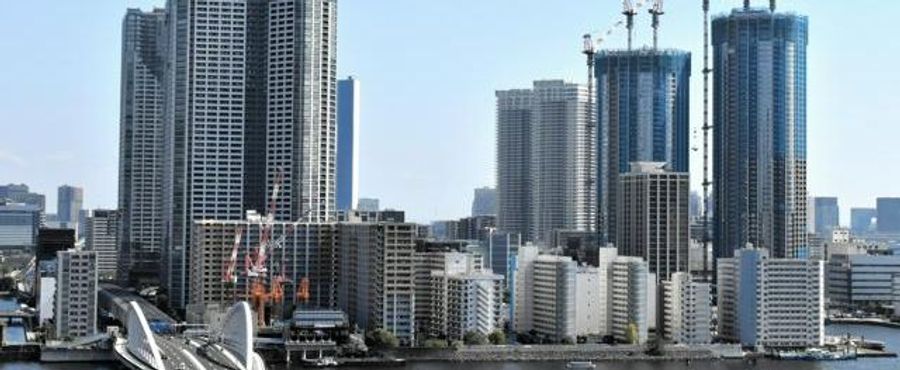
The Japanese government is reportedly set to increase tax breaks for buyers of secondhand homes in an effort to stimulate the residential property market. The boosted tax deductions, that form part of the housing loan system, will increase affordability, promoting a more sustainable real estate market. The details of this new initiative are yet to be unveiled but it is expected to be a considerable boon for potential homeowners in Japan.
In Japan, owning a home is often considered a social status symbol, but high prices and shortages of newly built properties pose significant challenges for potential buyers. As such, programs such as the proposed one, which incentivize the purchase of secondhand houses, are seen as vital tools for enhancing home ownership, reducing property waste, and rejuvenating the real estate market.
In countries like the US and EU member states, secondhand home markets are typically robust, and tax deductions related to home ownership are often used as financial incentives to stimulate the housing market. However, each country has its unique regulations, tax incentives and cultural differences that influence the dynamics of the property market.