
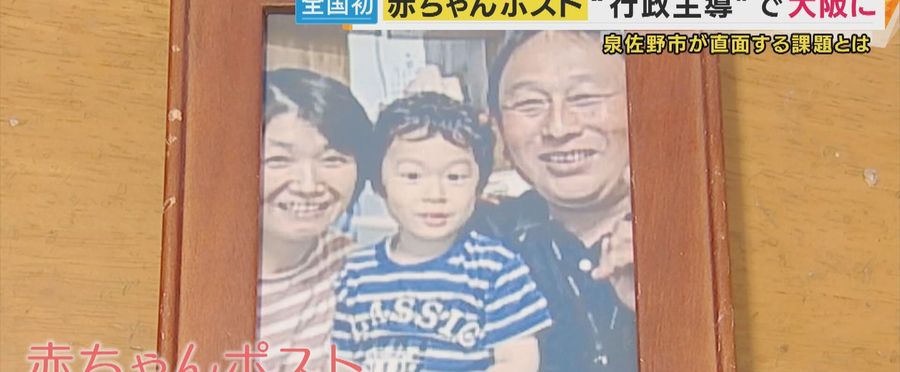
An expression of gratitude from a man who was once left in a "baby hatch" or child welfare institution in Japan stirs public interest. The institution, known as "Kounotori no Yurikago" (Stork's Cradle), enables parents unable to care for their newborns to safely and anonymously surrender them. The man, now adult, was once left in the hatches and has come forward to thank them for the life he has been able to lead.
In Japan, where population decline, birth rates, and childcare are hot topics, childcare institutions like Kounotori no Yurikago play a significant role. The system symbolizes Japanese social values of taking care of its citizens and prioritizing safety. It's often in the news due to the ongoing debates over its ethical implications, however, stories like this highlight the essential safety net it provides.
In the US, similar laws are known as Safe Haven or Baby Moses laws. These laws aim to reduce child abandonment and infanticide by providing a safe and anonymous way for parents to surrender their children without legal repercussions. However, public opinion is still divided over these systems both in the US and Japan, with some critics arguing that they ease the path for parents to abdicate their responsibilities while others emphasize their potential to save lives.