
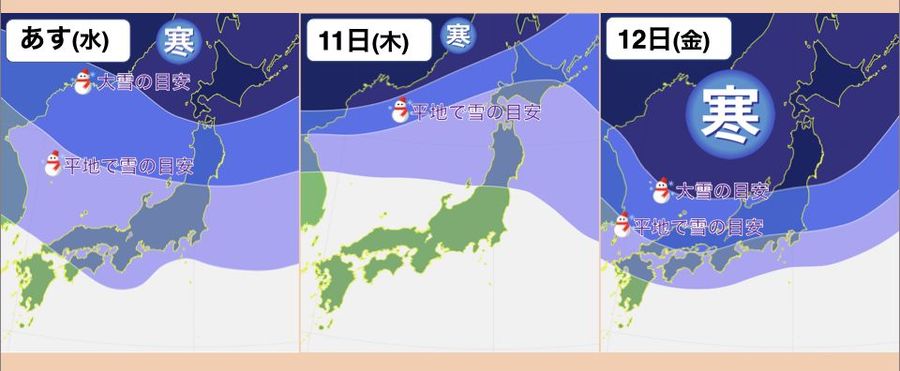
As strong cold fronts sweep across Japan, special attention is being directed to earthquake-affected regions struggling to implement cold weather countermeasures. Japanese authorities and humanitarian organizations are working to ensure that proper heating, warm clothing, and emergency healthcare are accessible in these areas. As winter becomes harsher, the focus is to prevent hypothermia and other winter-related health issues among residents, especially those living in temporary accommodations following recent earthquakes.
Japan frequently experiences natural disasters, including earthquakes and severe cold fronts. In these situations, the country's advanced disaster management strategies and community resilience come into play. With a higher regard for social responsibility, people in Japan take these warnings very seriously and contribute to cooperative efforts in helping each other, especially the victims of natural disasters.
The US and EU also face their share of natural disasters but may not have as recurrent cold weather extremes combined with earthquake recovery measures. In these regions, disaster management often involves ongoing aid from both governmental and non-governmental humanitarian organizations. However, the shared global challenge resides in ensuring sustained support to disaster-stricken areas, especially during demanding times such as harsh winter conditions.