
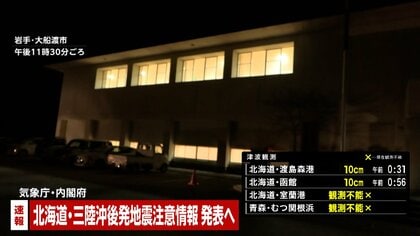
Japan's meteorological agency has issued a possible aftershock warning, urging citizens to stay vigilant post a recent seismic event. The notice suggests that there is a risk of subsequent tremors, which could potentially match or even surpass the initial quake in magnitude. The timely warning aims to boost readiness, encouraging individuals to remain cautious and stay updated about seismic developments. The timeline for the perceptible aftershocks, however, remains uncertain.
Seismic activity is common in Japan due to its geolocation in the Pacific Ring of Fire. As such, earthquake preparedness is a deeply ingrained aspect of Japanese society. This news is relevant to citizens as they rely on these warnings for personal safety measures, infrastructure preparation, and disaster planning. Public safety is highly prioritized, with citizens highly educated about what to do before, during, and after an earthquake.
Similar to Japan, countries like the United States and those in the EU, particularly southern Europe, also experience seismic events. They too have systems in place for issuing warnings and information about potential aftershocks. The public's response, however, might not be as systematic as in Japan due to different population densities, the level of earthquake preparedness education, and the frequency of such events.