
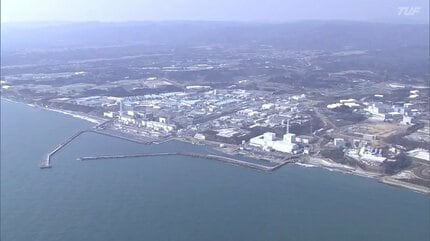
The release of treated water at the Fukushima Daiichi Nuclear Power Plant has been temporarily halted due to an earthquake. No immediate threat to the plant's safety has been reported, but the decision was made as a precautionary measure. This event follows the Japanese government's highly controversial decision to release the treated water into the sea, a process that was underway when the earthquake occurred.
Earthquakes are a significant concern in Japan due to its geographical location. The memory of the devastating 2011 earthquake and tsunami that directly led to the nuclear disaster at the Fukushima Daiichi plant remains vivid for many. Japanese citizens are particularly sensitive to news about the treatment and disposal of water used at the Fukushima site, worrying about potential impacts on health, safety, and the environment.
In the US and EU, where nuclear power is also used, safety measures concerning the discharge of treated water are strictly regulated. Just like in Japan, any incidents or alterations to protocol are usually reported and closely monitored by both government departments and environmental organizations. However, much like the Japanese public, communities in these regions are also concerned about the potential impacts of nuclear waste.