
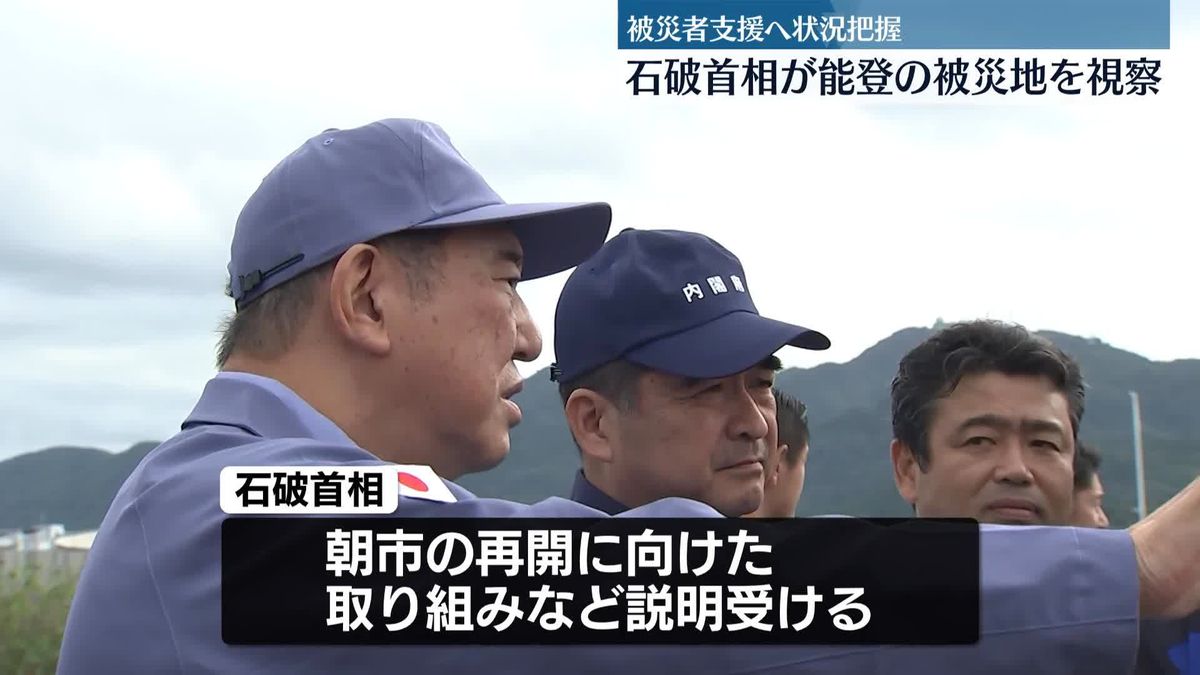
Following a significant disaster in Noto, Japan's newly appointed Prime Minister recently made his first official visit to the region. Traditionally, these visits represent an opportunity for the Prime Minister to express his concern and commitment to provide much-needed assistance to the affected region. Details of the trip's outcomes or promises made during the visit are yet to be revealed.
In Japan, prime ministerial visits to disaster-affected areas are closely monitored by the public. They signify the government's dedication to recovery efforts and are a key factor in fostering trust with citizens. The timeliness of the visit, practical steps taken and sincerity shown all play a role in the public's perception about the government's handling of the situation.
Similar to Japan, visits by heads of state to disaster-stricken regions in the US or EU also carry significant weight and are a staple of disaster-response protocol. These visits serve a symbolic purpose and often come with promises of aid and recovery measures. Public reaction varies depending on the timing, perceived sincerity, and follow-ups on promises made during the visit.