
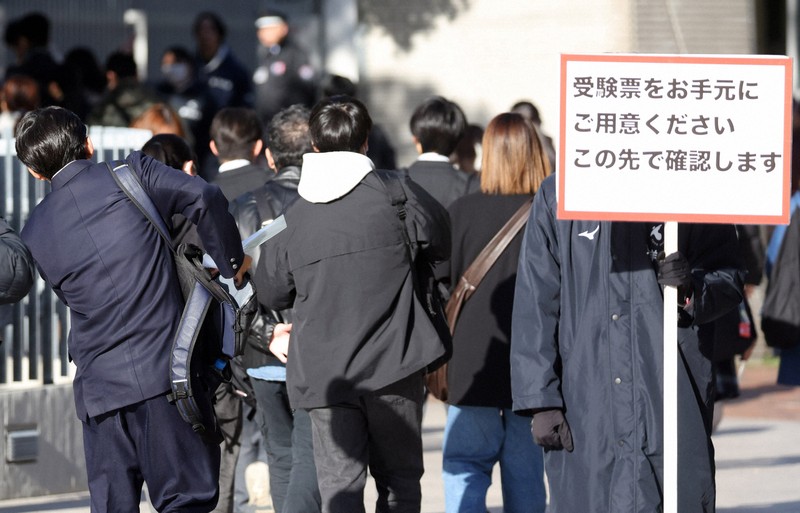
A majority of private universities in Japan have adopted end-of-year entrance exams, with the rate hitting nearly 80%. This reform intends to lessen high school students' burden by permitting them to focus more on their final-year studies without the anxiety of impending entrance examinations. However, it may introduce new challenges, as high school and university schedules need to align for this system to work smoothly.
In Japan, college entrance exams are a major event for high school seniors and often determine the future direction of their lives. The traditional schedule for these exams often puts immense pressure on the students, leading to a national debate on the merits of the current system. The introduction of the end-of-year schedules, which allows for a more relaxed academic year, has been welcomed by many but also questioned by those concerned about the bureaucratic and logistic difficulties this might introduce.
In the U.S and the EU, most universities conduct their entrance exams or applications during the final year of high school, with applicants submitting their materials usually in the fall or winter. The results typically arrive in the spring, letting students complete their final year without worrying about exams. Hence, Japan's transition to year-end exams aligns with the scholarly practices present in many parts of the developed world.