
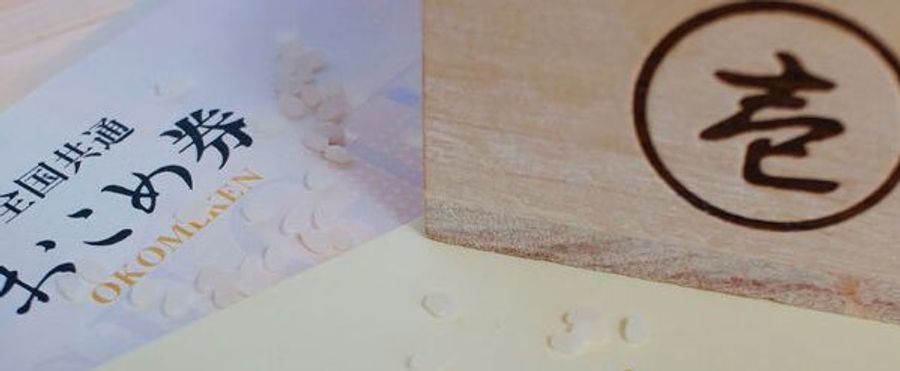
A city mayor in Japan has recently made headlines with a controversial decision not to distribute 'rice coupons' typically used as social aid. Contrary to the general expectation for this kind of support amid the struggling economy, the decision was peculiarly firm. The rationale behind this action is yet to be fully clarified, inviting various speculations and critiques from local community members and political observers.
Rice is a staple food in Japan and distributing rice coupons or other forms of food aid is a common measure taken to support vulnerable households, especially in periods of economic hardship. This decision by the mayor is perceived as a violation of the conventional rules and social welfare principles, triggering criticism and heated discussions on civic responsibility and authorities' commitment to social care.
This case can be compared to situations in the US or EU, where food stamps or similar social assistance schemes are available to support low-income individuals and families. Just like the hypothetical refusal to distribute such aid would spark debates about social justice and governmental responsibilities in these regions, this mayor's decision has stirred controversy in Japan.