
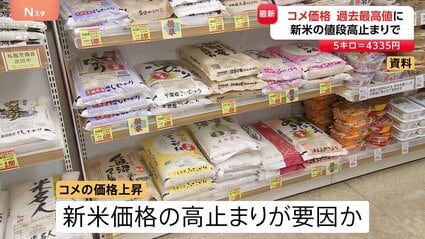
In Japan, the average price of rice, a staple food, has reached an all-time high. The steep rise raises questions about the economic implications it could have on households already grappling with inflation amidst the ongoing global pandemic. The surge in prices reportedly stems from a combination of factors like high production costs, reduced harvest yields, and increased demand. The hike has triggered concerns among farmers and consumers alike.
Rice forms a significant part of the Japanese diet and is tied deeply to the country's cultural identity. Moreover, the pricing and distribution of rice are regulated tightly by the Japanese government, reflecting its importance in the nation's agricultural policy. The hike in rice prices could have implications for household budgets and may cause discontent among the Japanese public, who are likely to monitor this issue keenly.
In the United States and European Union, the reaction to surging food prices, such as the cost of grains, largely depends on the role these commodities play in the diet and economy. Increases in the cost of staple foods, like rice in Japan, would likely elicit a similar response in the U.S. or E.U. if it was a vital part of their consumption patterns. For instance, a spike in bread or potato prices could have significant economic implications and stir public debate.