
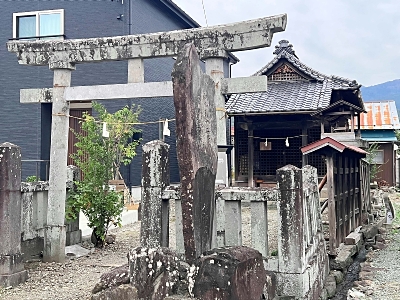
This story revolves around the dilemma faced by the local residents of a Japanese town, who are tasked with the maintenance of a Shinto shrine whose owner is unknown. There is a struggle, both emotionally and physically, to preserve the shrine and the cultural integrity it symbolizes. This particular shrine's steward does not exist, leaving the labor and logistic responsibilities on the shoulders of the community.
In Japan, Shinto shrines play a significant role in community life and culture. The identity of a region can often be symbolically tethered to these shrines. Therefore, this situation attracts strong public interest due to the importance of preserving such cultural heritage sites. The underlying social values involved revolve around community responsibility, cultural preservation, and respect for tradition.
In the US or EU, maintaining historical monuments often becomes a government or private institution's responsibility. Association formed by local communities may maintain certain sites. However, the ambiguity of ownership of a historical site such as this would likely prompt legal action to determine stewardship, rather than leaving the task primarily to residents.