
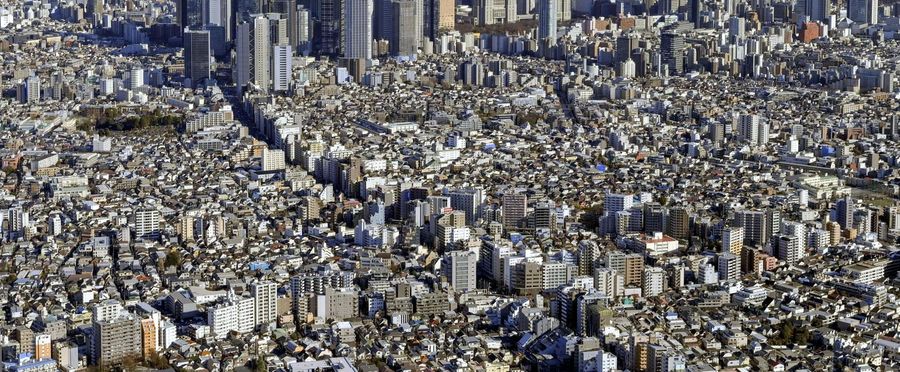
The Japanese government recently publicized a scenario predicting 18,000 fatalities in the event of a large-scale earthquake epicentered beneath the nation's capital. This sobering projection aims to prepare both citizens and authorities, should such a disastrous event occur. The specific precautions necessary for survival, rescue strategies, and post-disaster management have undoubtedly become hot topics among people nationwide.
Japan, being a country with a long history of natural disasters, particularly earthquakes, places significant emphasis on disaster readiness and resilience. The announcement of such a prediction does not aim to intimidate the public but rather to boost preparedness measures across society. It's likely to spark discussion on reinforcing infrastructure, improving evacuation plans, and enhancing emergency services.
In the US or EU, such forecasts might induce panic or severe anxiety due to these regions less frequent interaction with natural disasters compared to Japan. Therefore, while authorities in these regions do prepare for and educate about potential disasters, they may not publicize simulated outcomes to the same extent.