
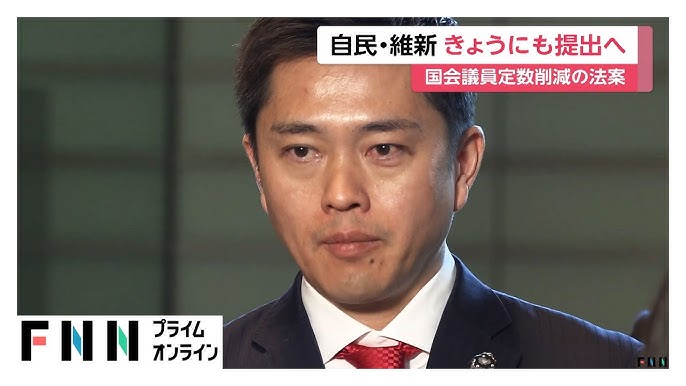
The Self-Sustainability Party in Japan has put forth a bill regarding reduction in the number of parliament members. This decision is part of an ongoing discussion about governmental streamlining and cost-efficiency in the country's political arena. The proposal, timed to coincide with the upcoming legislative session, is expected to generate intense debate both in parliament and amongst the public.
Political reform is a critical issue in Japan, often connected to debates about government efficiency and cost-reduction. The proposed reduction in the number of parliamentary seats is viewed as one step towards leaner governance. Public opinion varies, and discussions like these are seen as an exercise in democratic engagement and transparency.
Similar discussions happen in other democratic nations like the US or EU countries. However, the mechanisms used to decide such changes can significantly differ. In the US, for instance, decisions on legislative seats are often linked to population census data and heatly debated along partisan lines. In the EU, seats allocation for the European Parliament is based on 'degressive proportionality', ensuring a minimum level of representation for each country yet also tying seats to population size.