
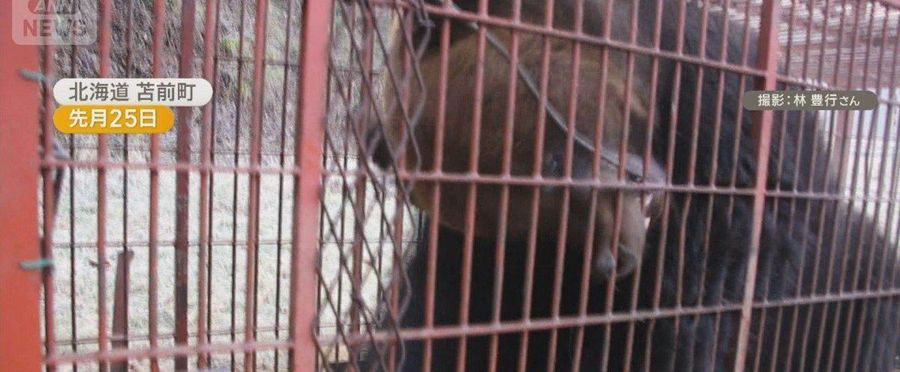
Tensions are on the rise in Japan over civilians interfering with local wildlife management efforts, specifically the authorized capture of nuisance creatures. Wildlife specialists, dubbed as 'hunters' in Japan, are expressing their dismay over these unsolicited acts of public intervention. These actions, they claim, not only hinder their work but also increase risks for public safety. The story involves questions of responsibility, wildlife ethics, and civil disobedience.
Japan is predominantly covered with forest, resulting in a frequent interface between humans and wildlife. The issue of nuisance animals has always lingered, particularly with burgeoning populations of animals like wild boars and deer. Laws are in place in Japan to allow regulated hunting to control these populations, but these measures have lately led to controversy due to concerns over animal rights and misguided involvement by parts of the public.
Compared to the US or EU, Japan has a lower prevalence of hunting activities due to cultural differences. Problems relating to nuisance animals tend to be dealt with more effectively and less controversially in the US or EU, especially as these regions have a higher usage of professional wildlife control agencies and less criticism surrounding hunting.