
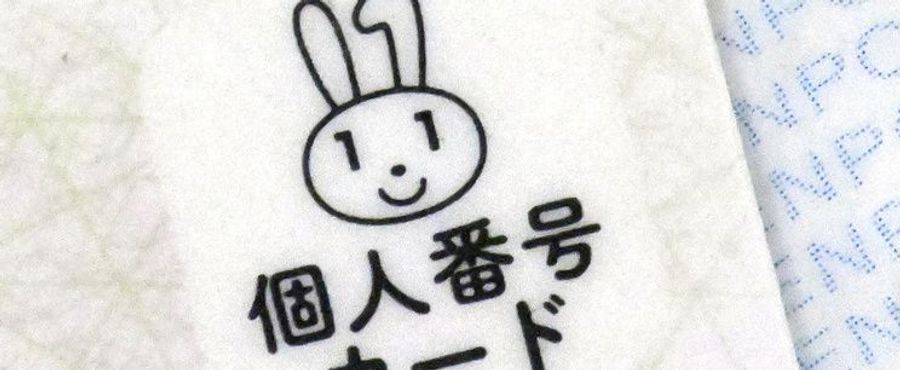
In a notable development, Japan's My Number Card holders have crossed the significant milestone of 100 million. This system, introduced to streamline government services, is witnessing increased adoption, indicating broad acceptance among Japanese residents. The surge in numbers captures the growing trust and reliance on the identification system, and it may reshape various public services, socioeconomic policies, and overall economic planning in the future.
Japan introduced the My Number System to improve the efficiency of administrative services by assigning each citizen a unique identification number. Over time, this system has become integral to several public services, from taxation to social security. The recent surge in the number of cardholders signals Japanese residents' increased trust in this system. The discussion in Japan is often around the system's secure data handling, potential efficiencies it brings, and the improved inclusivity in public services.
Similar to the Social Security Number system in the US and personal identity numbers in some EU countries like Sweden, My Number system centralizes citizens' data for efficient public service delivery. However, unlike these countries, Japan employs physical cards, and its recent push to digitize these cards presents new opportunities and challenges, paralleling the EU's e-ID initiatives.