
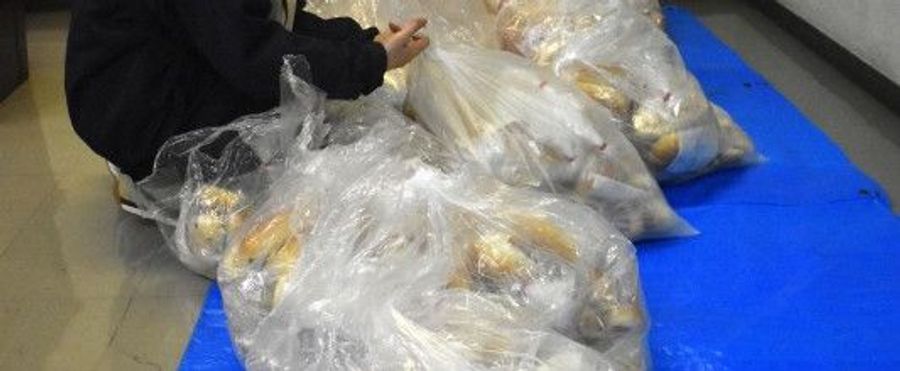
Due to an unforeseen closure of classes in a local school, an excessive amount of bread has been accumulated in the school canteen. Instead of waste, the surplus has been redirected for public sales, preventing food wastage. The event has drawn attention as an inspiring example of resourceful handling of unexpected situations, in the face of the ongoing pandemic.
In Japanese society, minimizing waste, particularly with food, is a deeply ingrained principle. This reflects both ecological concerns and a cultural appreciation for resources. Additionally, school closures due to disease outbreaks or natural disasters often garner significant public attention, and how institutions and communities respond to such disruptions is scrutinized and widely discussed.
In the US or EU, similarly unexpected school closures might also result in food surplus, though the specific foods would differ based on local school meals. Measures for such surplus could include redistribution to food banks, soup kitchens or other community services, but it is less common to resell this food directly to the public.