
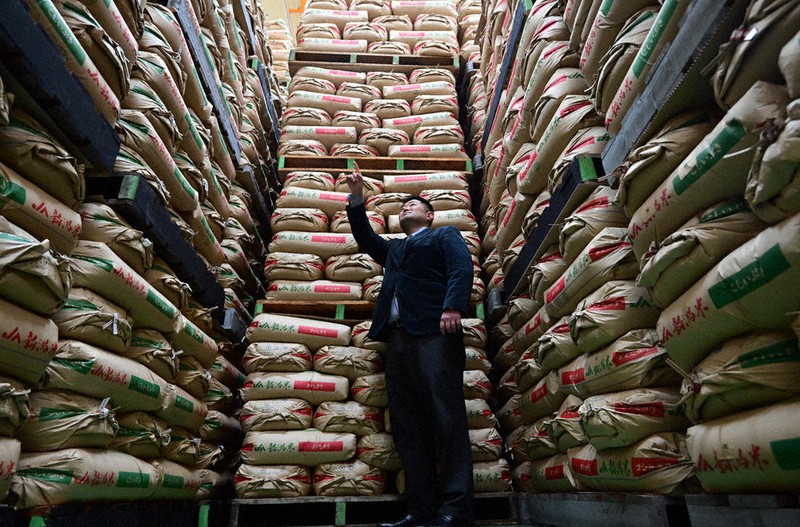
The Japanese government is moving towards formalizing a de-facto policy of crop reduction, often termed as the 'shrinkage policy.' Though not explicitly stipulated, this policy has been influencing the country's agricultural landscape, typically characterized by farmers reducing crop production in response to participation incentives offered by the government. The formalization signals a significant shift in Japanese agricultural policy, potentially impacting national food security and rural livelihoods. The timeline or specifics of this legislative move has still not been announced.
In Japan, agriculture plays a crucial role not only in the economy but also as a social fabric in rural communities. With an aging farming community and smaller farm sizes than global averages, the shrinkage policy has been a controversial subject. While it could help maintain higher crop prices and provide income stability for farmers, it also potentially jeopardizes the nation's food self-sufficiency and challenges the traditional Japanese value of 'mottainai' or 'avoiding waste.'
In contrast, the United States and EU have different agricultural policies, aiming for increased production and competitiveness. They typically utilize farm subsidies for crop insurance and price support, targeting rural development and farmer's income stability while maintaining or increasing production levels.