
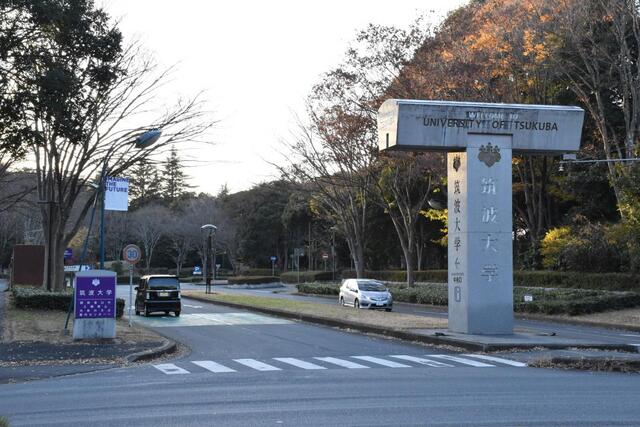
Tsukuba University, one of the prestigious institutions in Japan, has revoked the admission of several students involved in a TOEIC (Test of English for International Communication) cheating scandal. The university took this stern step after revelations surfaced about rampant corruption in the TOEIC process. The decision, which is something not seen frequently in Japanese education, aims to uphold the integrity of the system.
Academic integrity is highly valued in Japan and scandals like this one are rare, making the incident quite shocking to the wider public. This action by Tsukuba University is signaling a strong message about fairness in educational opportunities. The incident could trigger stricter anti-cheating measures across other institutions as well.
In the US and EU, there have been similar kinds of admission scandals. In response, institutions often take rigorous action against such wrongdoings to maintain the sanctity and fairness of the educational system, aligning well with the actions taken by Tsukuba University.