
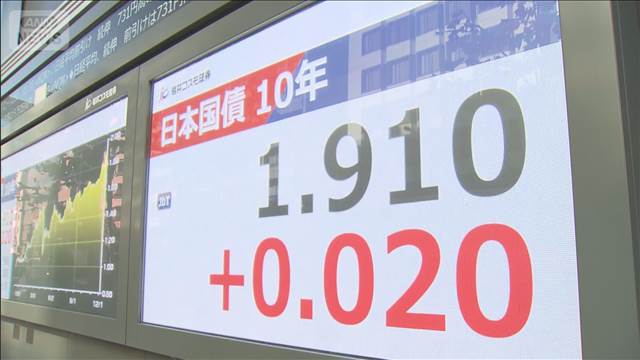
Japan's long-term interest rates have recently ascended to 1.9%, indicating significant movement in the country's financial markets. This development can be attributed to various economic factors, possibly including financial policy decisions, investor sentiments, and global economic trends. The elevation in long-term interest rates could influence diverse facets of the economic landscape, such as the costs for mortgages and business loans.
Interest rates are a key indicator of Japan's economic health and stability. Changes in these rates can severely affect the average citizen by influencing loan costs and the rate of return on savings. As the Japanese society places a high value on sustainable economic growth and stability, a rise in interest rates could spark debates among policy makers, entrepreneurs and the general public.
In the US or the EU, interest rate changes are similarly scrutinized as they directly impact financial markets and everyday economic life. However, policy approaches might differ due to unique socio-economic circumstances. Interest rates in the US and EU have been relatively low since the 2008 market crash to stimulate economic growth, while Japan has experienced a prolonged period of low interest rates due to other factors such as its deflationary spiral.