
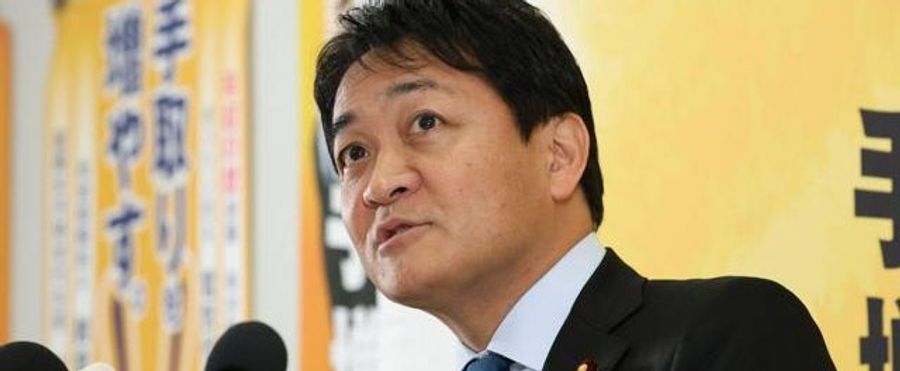
Japan's Liberal Democratic Party (LDP) and Komeito party are locked in intense debates over a contentious issue – the 'income wall'. A major point of discussion in the country’s socioeconomic circles, this issue involves discrepancies between different income groups and their respective tax burdens. The when and where details are not clear due to the headline's brevity, but the why implies a potential policy change regarding Japan's tax system— a matter of national importance that affects numerous households.
In Japan, income disparity has been a persistent issue, with a significant wealth gap between the rich and poor. The 'income wall' controversy refers to the drastic jump in income tax, health insurance and other costs that workers face when their income exceeds a certain level. This has led to contention and calls for reform as it is seen to discourage productivity and hinder economic growth.
In the US or EU, debates about income disparity and tax justice often take center stage. They typically involve discussions on whether the wealthy should bear a heavier tax burden to promote social equity. However, the specific issue of an 'income wall' causing a steep rise in liabilities is more uniquely Japanese due to the structure of their social security system.