
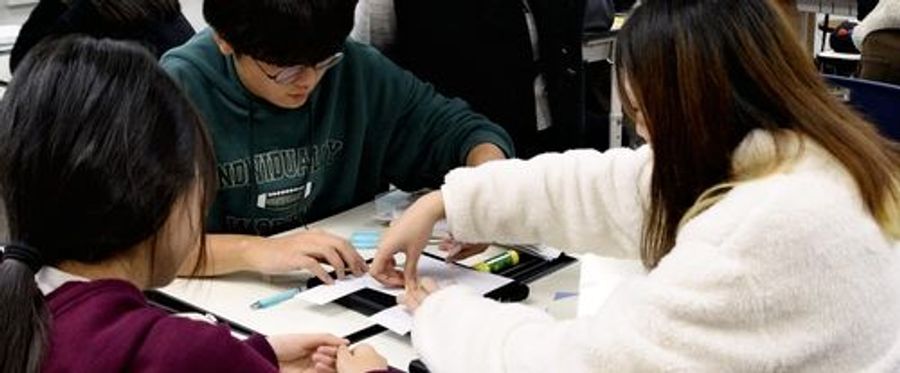
The headline points towards a growing trend in South Korea of vacillating between the use of digitized textbooks and traditional paper-based ones. This phenomenon has particularly been observed in schools, with authorities and educators wrestling with the question of incorporating innovative tech without sacrificing the educational outcomes. Amid debates around tech's role in education, the country now appears to showcase a back-and-forth trend.
In Japan, the issue has sparked serious debates regarding the importance of leveraging technology in education vs. the traditional ways of teaching. Concerns hover around the 'digital divide' - the gap between students who have easy access to computers and internet, and those who do not. There's also the issue of practicality, as digital resources require an adequate power supply and technical knowhow.
In countries like the US or EU, while there is a significant push for digital education, limited access to technology in certain regions, socio-economic disparities and tech-literacy concerns make the full transition complex. They, therefore, also maintain a balance between traditional and digital methods, which reflects the situation in South Korea.