
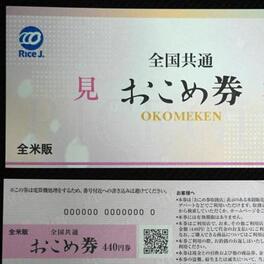
In an effort to stimulate the economy, the Japanese government is considering setting an expiration date on "rice coupons," traditionally used to aid citizens and boost agricultural sector sales. While details are yet to be finalized and announced, this initiative aims to spur consumer spending and revitalize local businesses that have been reeling from the economic impacts of recent global events.
In Japan, rice is not just a staple food but a vital element of the economy and culture. Therefore, "rice coupons" or subsidies that can be used to purchase rice are significant. They are often used by the government as economic stimuli, with the dual benefit of supporting the agriculture sector and providing financial relief to citizens. The introduction of an expiration date represents a strategic shift, intended to inject a sense of urgency and get consumers to spend more, sooner.
In the US or EU, similar stimulus programs often come in the form of stimulus checks or tax rebates. However, the focus on a vital, culturally significant industry like agriculture in Japan's "rice coupon" policy highlights a unique approach to economic stimuli and relief programs.