
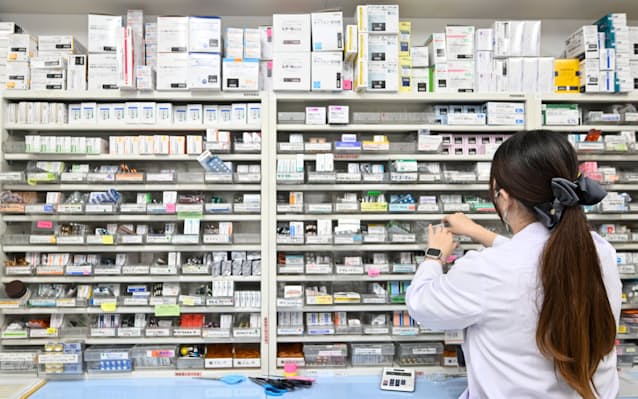
The pharmaceutical prices in Japan's health market have dipped by 4.8% below the official drug price (also called "Yakka"). This decrease has prompted various discussions among health experts, economists, and policymakers about its potential impacts on the nation's health care system and economy. The factors behind this trend include regulatory changes, market competition, and consumer behavior.
In Japan, drug pricing is instrumental in shaping the health care system and is strictly regulated by the government. A price decrease of this magnitude can impact both consumers and pharmaceutical companies. For consumers, lower drug prices can make health care more affordable. However, for pharmaceutical companies, this could mean reduced profits, potentially impacting research and development for new drugs. Japan society is observant of these dynamics as they hold implications on accessibility and advancement of health care.
In contrast to Japan, drug pricing in the US is heavily dictated by market forces with less stringent price regulations. Hence, price decreases in the medication market are typically seen as potential indicators of increased competition or patent expirations. In the European Union, health care systems vary by country, but many have strong government regulation similar to Japan, focusing on keeping the prices affordable.