
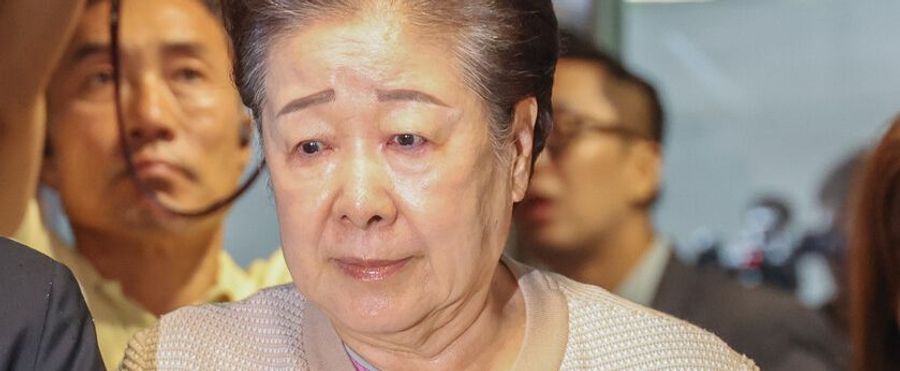
The former leader of the Unity Church in Japan is making headlines as he denies all charges imposed against him by the prosecution. The specifics of the charges remain undisclosed, but it's clear that the case has drawn significant public attention. The story unfolds amidst Japan's robust legal infrastructure, and many are keenly observing the progression of the case.
Japan holds a rigid stance on legal proceedings, with high conviction rates and rigorous enforcement of laws. The involvement of a religious organization, particularly a major one like the Unity Church, creates added public interest. However, public opinion tends to value presumed innocence, and many people will likely wait until the conclusion of the trial before passing judgment.
In the U.S. or E.U., court proceedings involving religious organizations often spark widespread media attention and public debate. The commitment to the legal process and the presumption of innocence until proven guilty are common factors with Japan. Cases involving religious leaders can have varying impacts on their organizations and followers depending on the outcome of the trial.