
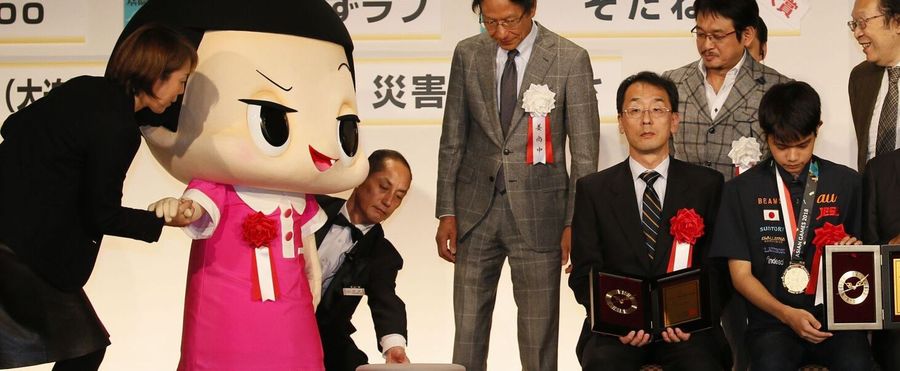
A recent surge in criticism has sparked a debate on the decreasing use and increasing scrutiny of trendy lingo, also known as "buzzwords," in Japan. Critics suggest that these words, often originating from pop culture or social media, may be facing decline due to their overuse and ephemeral nature. Some even argue that they could harm language preservation efforts and confuse non-native speakers. The ongoing discourse has opened up a larger conversation on the impacts of modern linguistic trends on the traditional Japanese language.
Buzzwords in Japan, or "Ryūkōgo," quickly permeate many aspects of society, from everyday conversations to the media. Many Japanese value their language's rich history and are therefore protective of its preservation. The sudden critique of these quickly changing and sometimes confusing words represents a tension between preserving tradition and embracing evolving language trends.
In the US or EU, the rise and fall of slang or buzzwords isn't often scrutinized to the same degree. While some view them as a sign of language evolution, others view them as a degradation of language. However, there are limited societal critiques and no widespread discourse on the potential harm of these trendy words.