
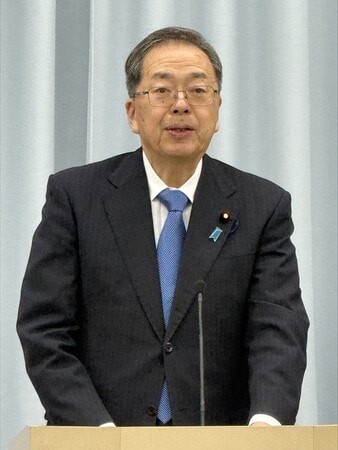
The leader of Japan's Komeito party has confidently positioned his party as a potential unifying force between governing and opposition factions. This statement comes amidst political uncertainty, as factions struggle to find common ground on pressing policy directions and issues. With Japan's complex dynamic governance, this move implies a directed push for greater political unity at a time when the country needs decisive actions to address urgent national concerns.
Japan’s electorate is often concerned about political stability. The Komeito party (a junior coalition partner of the Liberal Democratic Party) is well-received for its commitment to peace and social security. Bouncing off these values, the Komeito leader’s goal of unifying ideological divides resonates with the public's desire for well-rounded decisions and policies.
In comparison to the US or EU, party unification talks can be somewhat different. Although bipartisan efforts are valued in other political spheres, multi-party coalition governance, like that of Japan, requires a calculated balance of shared responsibility and compromise, not commonly seen in two-party dominant structures like the US.