
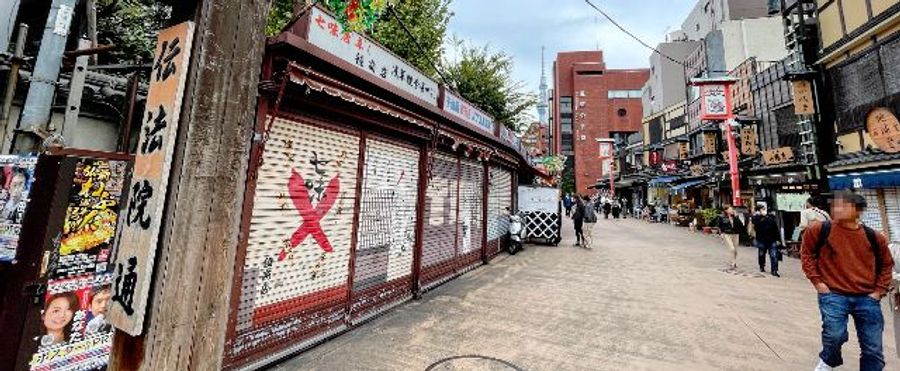
A legal battle brewing for four decades over the occupation of property adjacent to the renowned Asakusa Temple in Tokyo recently went to court. The controversy revolves around an individual who has resided in the disputed space, which is part of the temple complex, for nearly 40 years. The case probes into the complicated world of property laws, cultural conservation, and personal rights, with larger implications for sacred sites across Japan.
In Japan, tradition, cultural heritage, and respect for societal norms hold significant importance. The Asakusa Temple, one of the country's most venerated Buddhist sites, is a symbol of Japanese cultural heritage. This case stirs up conversations about preservation of heritage sites and boundaries of personal liberties, sparking debates on residential rights and cultural preservation.
In the US or EU, legal disputes over property at heritage sites are also complex, often involving zoning laws, historical preservation rights, and personal property rights. There's a balance to be struck between preserving such spaces' historical and cultural significance and upholding individual property rights - a balance also evident in this Japanese case.