
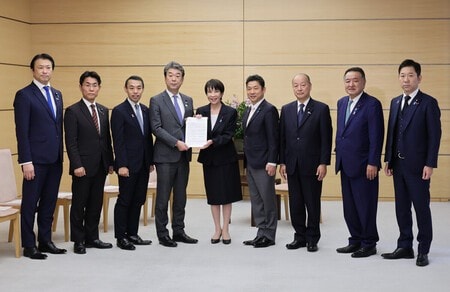
Japan's Prime Minister has greenlit an enormous 18 trillion yen supplementary budget, laying the groundwork for aggressive fiscal policy. The move comes in the wake of economic uncertainties plaguing the nation. The aim is to spur economic growth and maintain stability across a broad spectrum of industries. The budget allocation and detailed fund distribution will go through regular parliamentary procedures, before becoming officially applicable.
Japanese citizens are particularly concerned with the national fiscal policy as it directly impacts the economic climate and their individual living standards. With the nation often dealing with economic headwinds, such as natural disasters and an aging population, aggressive fiscal strategies like this one often dominate public discourse and are key in policy-making discussions, touching upon social security, defense, infrastructure, and more.
In the US or the EU, large supplementary budgets like this one often require extensive political negotiation and public debate. They are typically a response to significant events like recessions, pandemics, or natural disasters. Investment direction and fiscal policy impact on public services and taxes are topics of prime importance.