
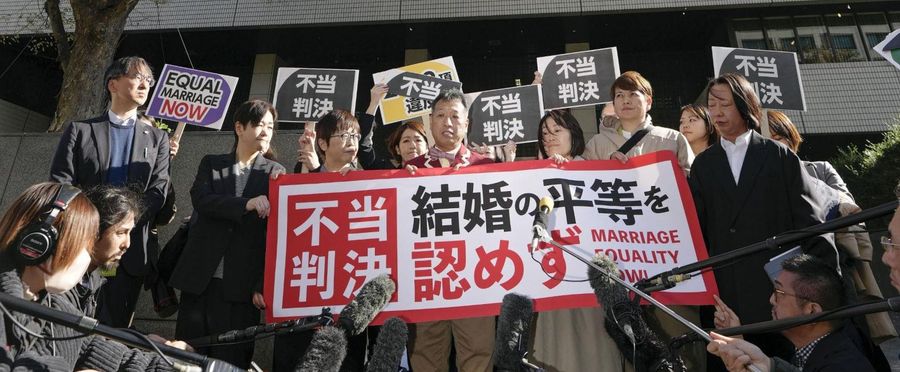
Japanese plaintiffs advocating for same-sex marriage were left disappointed after the Japanese courts ruled that not recognizing same-sex marriages was not unconstitutional. The current interpretation of the constitution, which specifies marriage as being between a man and a woman, was upheld. This ruling occurred despite rising public support for LGBTQ rights and will maintain the status quo, leaving same-sex marriages unrecognized in Japan.
This news represents a significant setback in Japan, a country grappling with changing societal attitudes toward LGBTQ issues. Despite growing social acceptance, it also highlights the ongoing legal and institutional barriers experienced by the LGBTQ community. Marriage in Japan, governed by the constitution, implies a significant cultural and societal status which LGBTQ activists argue should be accessible to all citizens.
Unlike the United States and several countries within the EU, where same-sex marriage is legal nationwide, Japan continues to lag behind on this civil rights issue. In these regions, marriage equality took significant legal actions and were often punctuated by court judgments that compelled legislative changes.