
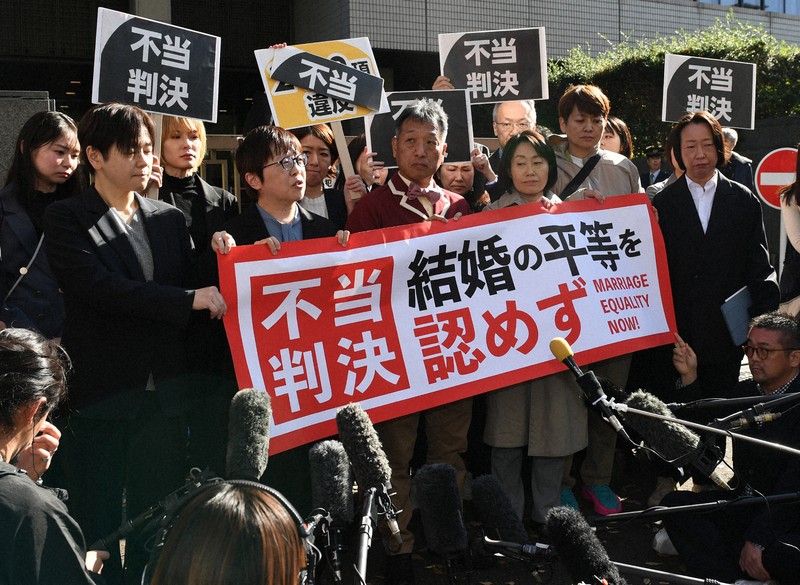
Plaintiffs in Japan are expressing their discontent over a ruling on a same-sex marriage case, claiming that the verdict complies with the nation's constitution. This comes amidst the rising political and societal debates regarding the recognition and acceptance of same-sex partnerships in the country. The plaintiffs' dissatisfaction highlights the ongoing struggle for LGBT rights and equality in Japan.
In Japan, the question of legalizing same-sex marriage is not only a legal issue but also a social one, with cultural, societal, and generational factors at play. While several cities and wards have begun to recognize same-sex partnerships, these changes are largely symbolic without nationwide legislation. The public attitudes vary with older generations generally being more conservative while younger generations are more open towards the idea of same-sex marriage and recognition of LGBT rights.
Unlike Japan, the U.S and many EU countries have adopted much more progressive stances. In the U.S., same-sex marriage has been legally recognized nationwide since 2015. Similarly, numerous EU member states have legalized same-sex marriage, reflecting the overall progressive shift in social attitudes in these regions.