
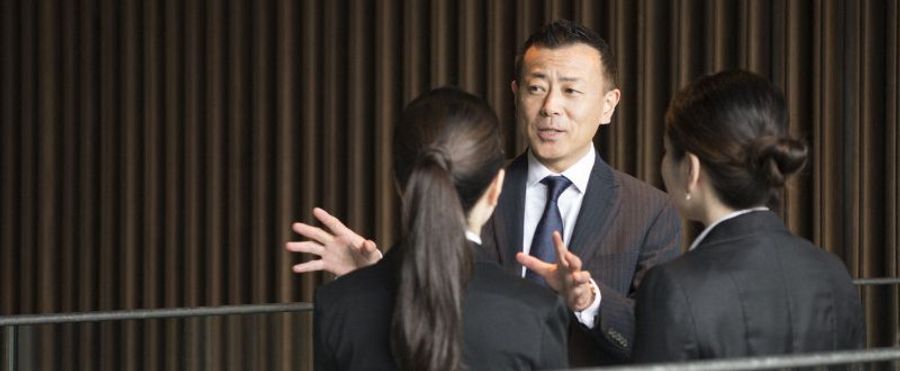
The article tackles the implications of demotivating comments made by superiors in Japanese workplace settings, commonly known as "NG comments." Such comments, though part of everyday verbal exchanges, can significantly undermine employees' motivation and productivity. It deciphers the nuances of these verbal exchanges, citing specific instances and offering an array of practical advice for avoiding such pitfalls. This article is particularly relevant in the face of Japan's changing work environment, as employers strive to maintain a motivated and productive workforce.
In Japan, where hierarchical social and business structures are deeply ingrained, interactions and comments from superiors can profoundly impact employees. Given the traditionally high-stress work environment in Japan, employers are more than ever trying to foster positive workplace dynamics to encourage motivation and employee retention. This topic is relevant to a large portion of the population and is often covered in media due to its effect on the Japanese work-life balance and work culture.
In comparison to the US or EU, where workplaces are generally more casual and often encourage open dialogue between employees and their superiors, Japanese workplaces have a more formal and hierarchical relationship. However, similarities can be found in the movement towards promoting healthier work cultures and maintaining employee morale and motivation across all nations.