
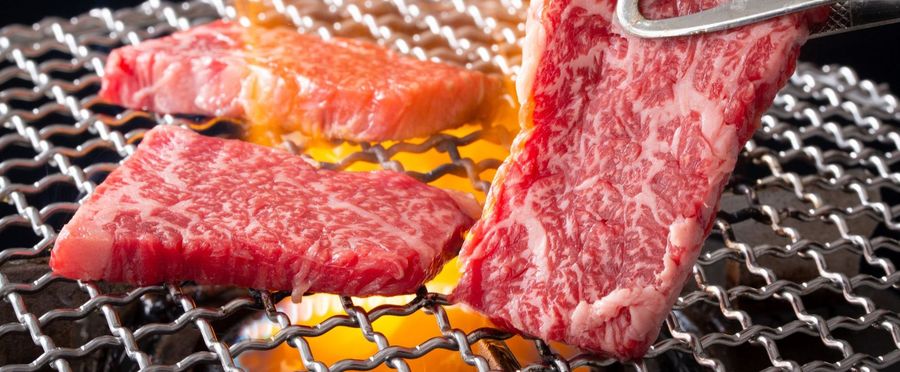
As urban landscapes in Japan transform, many traditional businesses grapple with significant challenges. This story traces the fluctuating fortunes of a once-popular yakiniku (grilled meat) restaurant in a disappearing neighborhood. Despite earlier successes, the changing tastes of consumers, an aging population, and skyrocketing real estate prices have led to its gradual decline. The article explores the reasons behind this transformation and the impact it has on the community.
In Japan, eateries like yakiniku restaurants often form an intrinsic part of local communities. They reflect societal values of preserving tradition and respecting continuity in business. However, with Japan's demographic shift towards a predominantly elder population and drastic urban changes, these businesses face new hurdles. The story of this yakiniku restaurant is one that resonates with many Japanese citizens, who feel a deep concern for the erosion of their local culture.
Similar issues can be seen in the US and EU, where gentrification has led to the displacement of long-standing businesses in favor of modern, profitable entities. However, unlike Japan where the food industry is often seen as a pillar of cultural heritage, the Western perspective tends to be more economy-oriented.