
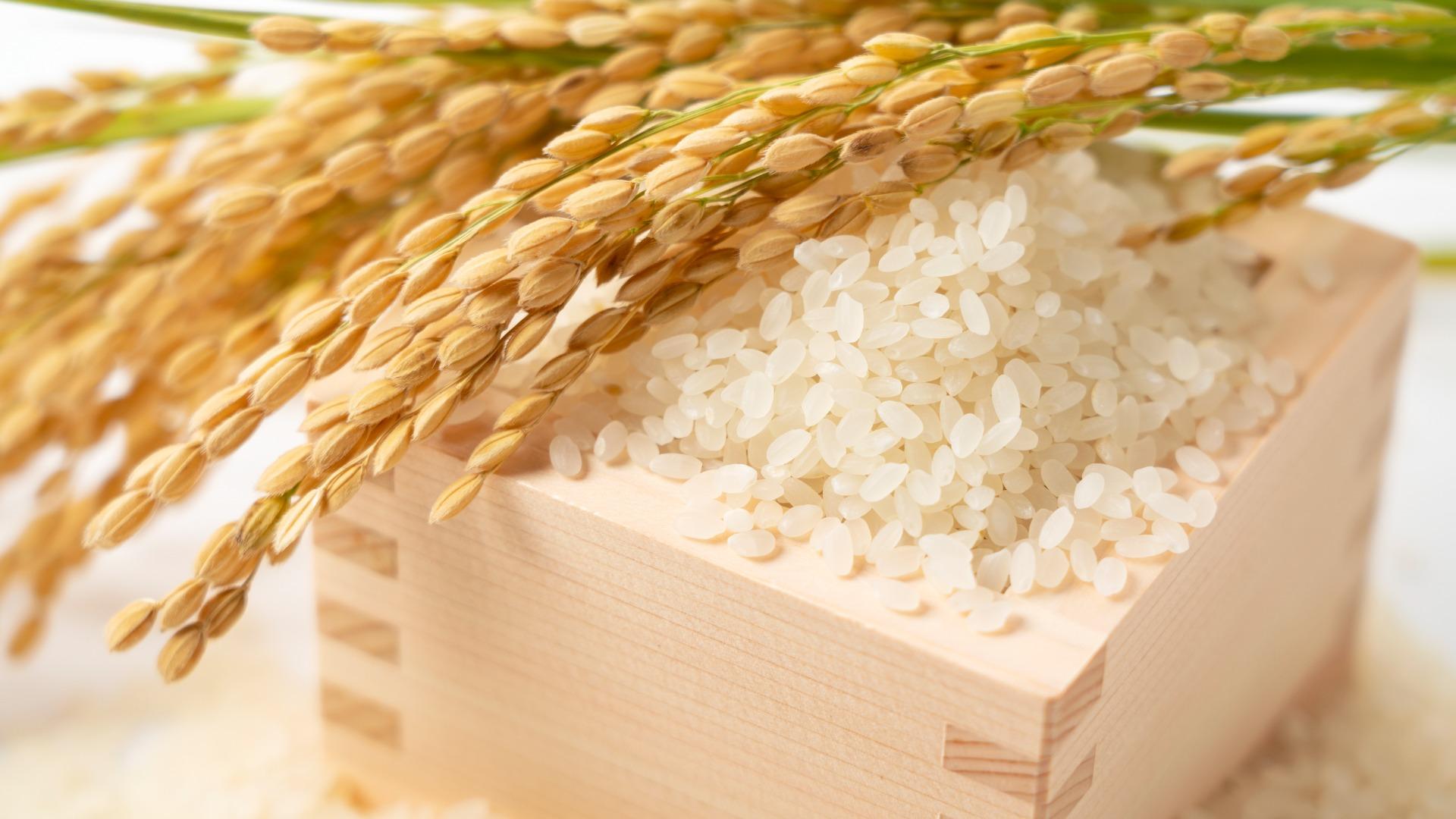
Japanese consumers are grappling with the highest rice prices in history. The soaring prices have been attributed to adverse weather conditions that have drastically affected the harvest yield and quality. While no specific time frame is mentioned, the increasing trend suggests the situation has been ongoing to the point where prices have reportedly reached an unprecedented level. These developments pose significant implications for the Japanese population as rice is a staple food, and changes in its cost directly affect the household budget and overall economy.
In Japan, rice holds a significant socio-cultural and economic importance. It's not just a staple crop but a symbol of prosperity and is deeply intertwined with the nation's traditional culture. The rise in prices concerns everyone -- from the consumers who rely on it as a dietary staple to farmers whose livelihood depends on yield and market prices. It also has potential political implications, as policymakers are expected to uphold agricultural stability.
In the United States or the European Union, similar situations have led to discussions about farm policies and economic stimulation measures. Such as, implementing subsidies for the farmers impacted by adverse weather conditions and introducing pricing controls to guard against excessive market fluctuation.