
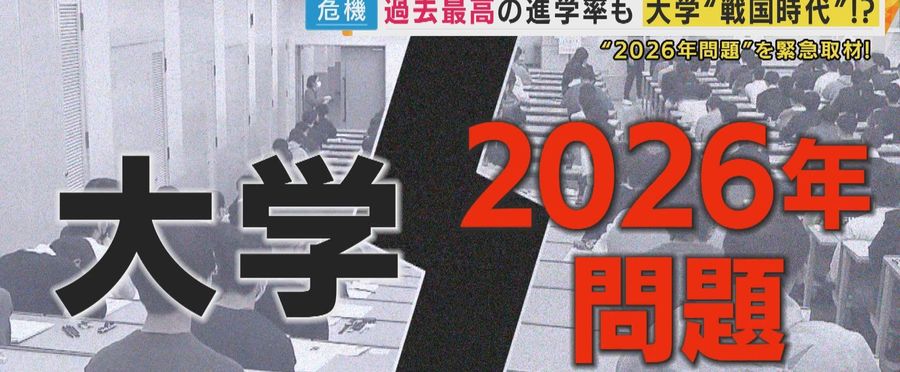
Due to a drop in enrollment rates, motivated by declining birth rates, Japanese universities are facing an increasing need to compete for students. This competition has led to what's being referred to as the 'Warring States' period in higher education. Universities are implementing new strategies to attract students, including innovative courses, increased accessibility, and financial incentives, changing the landscape of higher education in Japan.
In Japan, education is highly regarded and seen as a conduit to secured livelihood. With the country's declining birth rate, fewer students are available to fill university positions, thereby increasing the competition among universities. This situation is causing significant changes in the education system to attract more students, reflecting Japan's resilience and flexibility in confronting societal challenges.
Similar issues occur in the US or EU, where universities face challenges to attract students. However, these issues are usually related to escalating tuition costs, the value of higher education, or the economic benefits of the university degree. The strategies to approach students vary, but generally higher education institutions in the west emphasize on international students, online education, or providing flexible learning pathways to tackle the issue.