
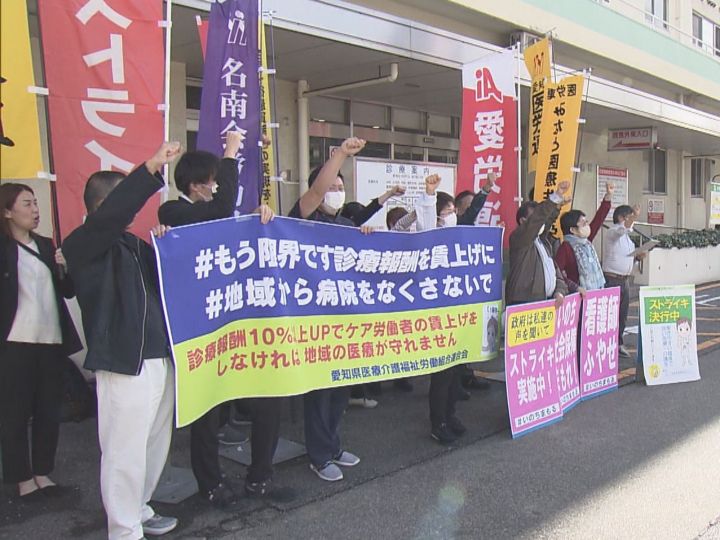
The Japanese Ministry of Health, Labor and Welfare reported that approximately 70% of the nation's hospitals ran at a loss last year, sparking concern over the financial state of healthcare in the country. The deficit issue is believed to stem from a population grappling with an aging demographic and the financial pressures associated with sustaining an efficient healthcare service.
In Japan, healthcare efficiency has always been significant due to the country's fast-aging population and low birthrate. People value their healthcare system's accessibility and quality, but with these economic pressures, the public concern is growing around the sustainability of the system. There's also a concern around its potential impact on labor conditions for healthcare workers.
In contrast, the US operates a privatized healthcare system resulting in varied costs and services, causing many institutions to run at a deficit as well. In the EU, different countries have varied healthcare systems, although most are public and also deal with deficits due to aging populations and increasing costs of treatments.