
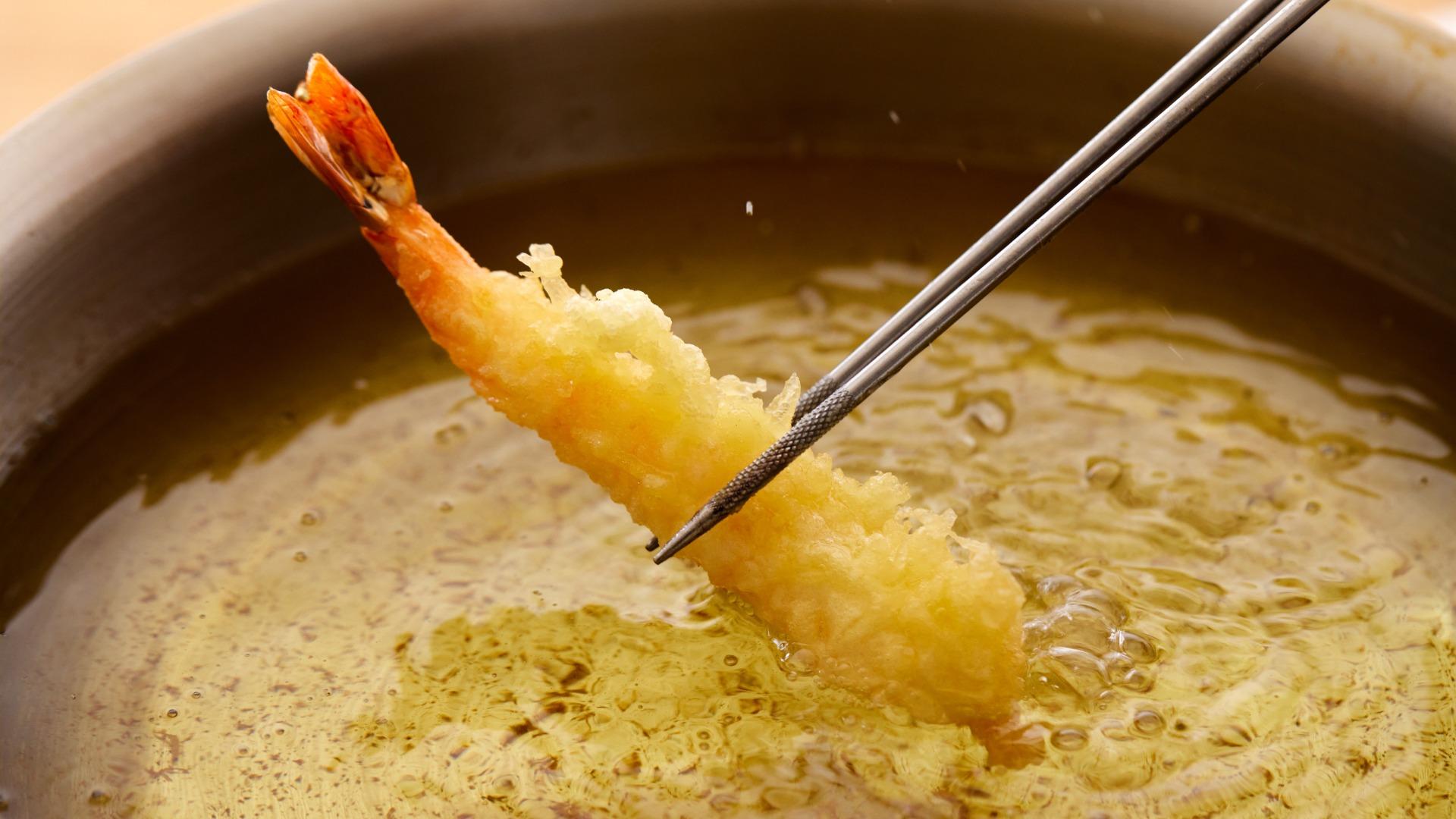
The Japanese tempura industry is grappling with a 'third wave' economic downturn, further challenging the troubled food-service businesses. Despite cultural popularity and unique culinary appeal, the tempura-specific sectors are confronting significant financial stress, intensified by the COVID-19 pandemic. The 'third wave' refers to the recurring setbacks in recovery attempts since the initial fallout.
In Japan, tempura shops are deeply entrenched in the food culture – ranging from street-style to sophistication fine-dining restaurants. The downturn repercussion strongly resonates across the society as eatery closures deeply affect neighborhood atmospheres, employees, and the local economy. The situation symbolizes the broader struggle of traditional food sectors in maintaining viability amid modern consumer-trends shifts and the health crisis.
Like USA's or EU's hospitality and gastronomy industry – notably the pizza parlors and bratwurst joints – being severely affected by the pandemic, Japan's tempura establishments face the same plight. The challenges in adapting to new health regulations, shifting consumer habits towards more takeout or delivery, and coping with crippling economic loss are shared issues globally.