
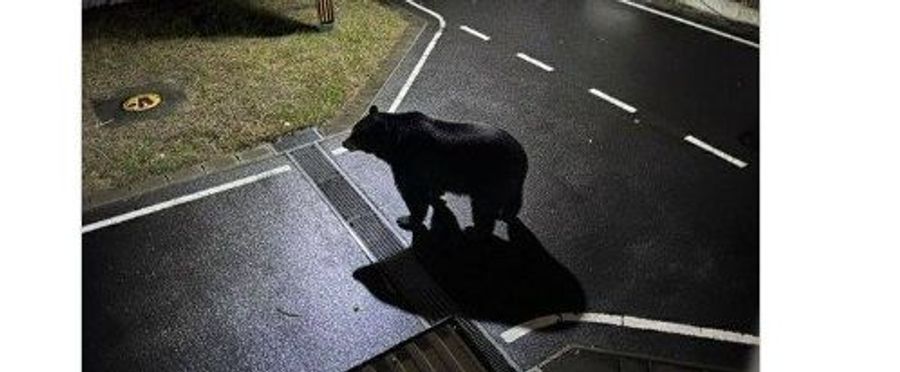
A photo of a bear (termed 'X' locally) circulated around a small town in Japan recently turned out to be fake. The news sent initial panic in the community before digital analysis confirmed that the image was fabricated. This comes amid growing debates around authenticity in digital media and its societal effects in Japan.
In Japan, bear sightings in residential areas can lead to panic due to safety concerns. Thus, validated information is crucial. The fake photograph incident is triggering discussions on the importance of digital literacy and media ethics. Some voice concerns over the misuse of technology in creating potential dangers, while others stress the necessity of better educating the public.
In the U.S or EU, there are similar concerns over fake news and its impact, with the authorities and social media platforms taking steps to warn users about suspicious content and provide digital literacy. However, the scenario is distinct due to the often political nature of misinformation compared to Japan's incident, which revolves around wildlife.