
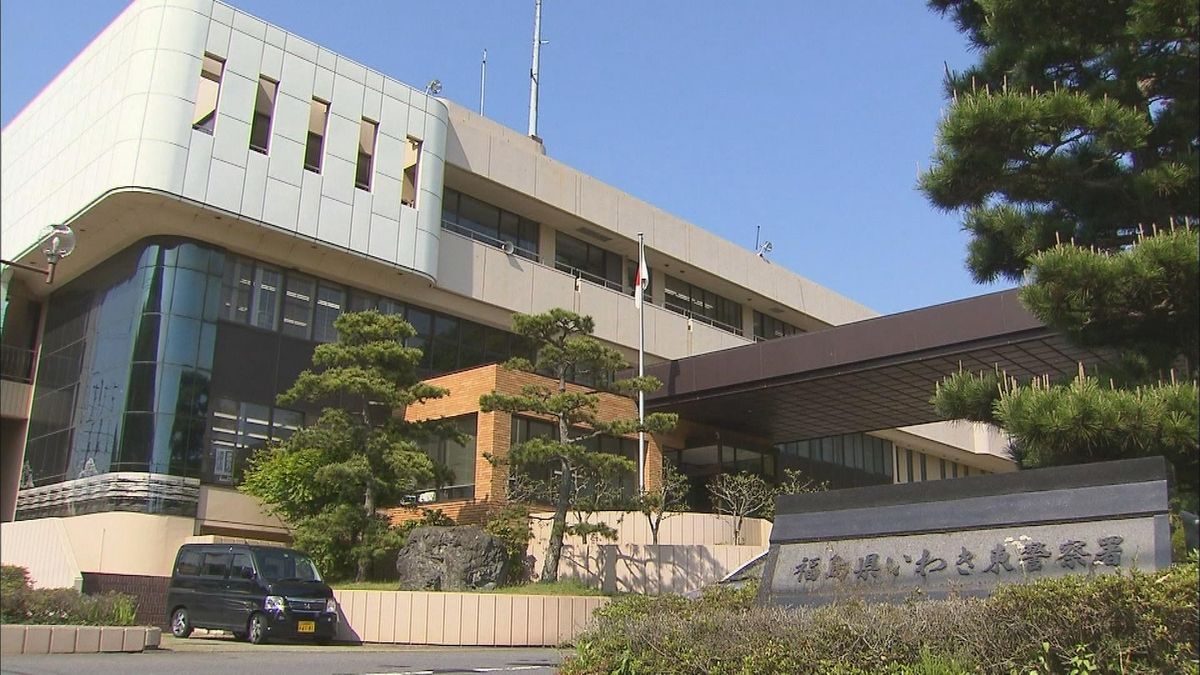
In a significant breakthrough for Japanese law enforcement, an arrest has been made in relation to a murder that took place four years ago in Fukushima. The male suspect has been formally apprehended, but details about his identity or the motive behind the crime are yet sparse. The case has lingered unresolved in the public eye, raising considerable interest and concern.
In Japan, unlike many western societies, the crime rate, especially for violent crime, is relatively low. Thus, murder cases are heavily reported in the media and often lead to public apprehension about personal safety. The idea of 'ishi no ue ni mo san-nen' or 'three years on a stone', meaning patience brings rewards, resonates with the public and the law enforcement in such cases, symbolizing their commitment to solving even cold cases.
In comparison to the US or EU, Japan has a lower homicide rate and a different approach to criminal investigation due to its unique societal and legal framework. In contrast, countries in the west have a more confrontational style of judicial process and laws that allow more public access to information about ongoing investigations.