
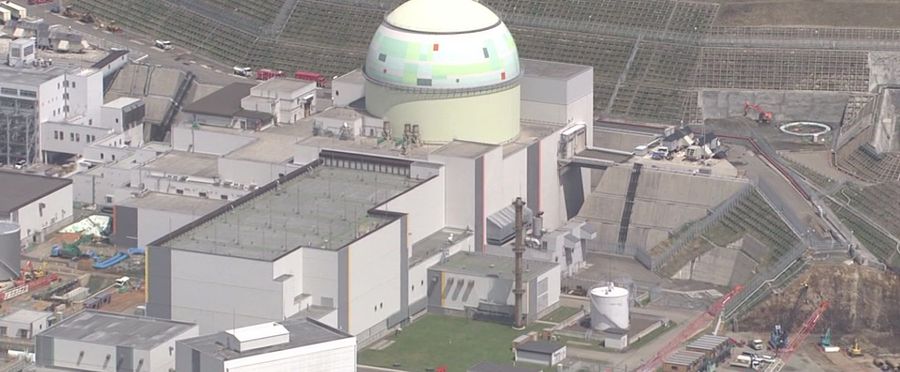
The Governor of Hokkaido, Japan is currently in negotiations for approving the reactivation of a local nuclear power plant. The issue has sparked considerable debate in the region, as it brings into focus Japan's evolving energy policy and the continued role of nuclear power post-Fukushima. Though the decisions aren't finalized, the Governor's decision will impact both the region's energy future and nuclear safety regulations.
In the aftermath of the 2011 Fukushima nuclear disaster, nuclear power debates in Japan have garnered nationwide attention and have been incredibly contentious. Many Japanese citizens express apprehension towards nuclear power due to its potential safety risks and consequences on the environment and public health. Thus, the decision to reactivate a nuclear power plant is considered heavily and with regard to these collective concerns.
In the US and EU, nuclear power remains a debated issue as well, balancing between the need for clean energy and concerns over nuclear disasters, concerns elevated by incidents like Chernobyl and Three Miles Island. However, unlike Japan, there's a general trend in the EU towards abandoning nuclear power entirely, whereas in the US, there's strong regulatory scrutiny but not necessarily a plan to phase out existing plants.