
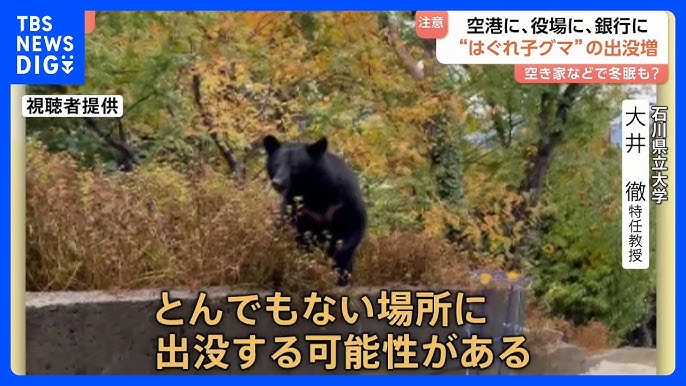
The headline revolves around safety precautions related to "wandering bear cubs" in Japan, a common occurrence due to environmental changes. This unveils the risks associated with misunderstood wildlife and encourages individuals to handle such encounters intelligently. This issue has come under the limelight recently due to increased bear-human interactions, prompting authorities to educate the public on bear behavior.
In Japan, due to urban sprawl and environmental changes, bears sometimes wander closer to populated areas, causing panic and sometimes confrontations. Japanese people value harmonious coexistence with nature, a principle embedded in their cultural and societal norms. The major concern here involves public safety, prevention of conflicts, and protection of wildlife. The approach is more about education than scaremongering, highlighting how understanding bear behavior can lead to safer encounters.
In contrast, in the US, interactions with wildlife such as bears are handled slightly differently. While education is part of the strategy, there's also a more pronounced emphasis on managing bear populations to minimize potential conflicts. In the EU, especially in rural and forested regions, similar issues arise and the responses are often context-dependent, ranging from scare tactics to population control, alongside public education.