
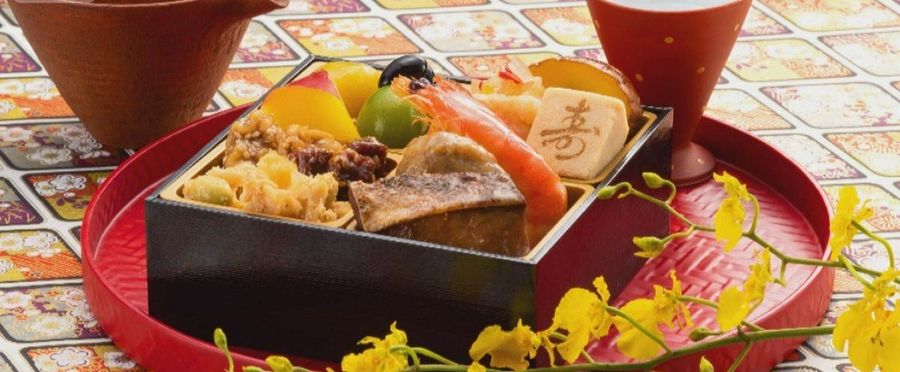
In an intriguing move, a number of Japanese retailers have opted to sell osechi, the traditional New Year's feast, for just 500 yen, despite running at a loss. These businesses are leveraging the psychology of consumer attraction to affordable prices during holiday seasons, a tactic which allows their other products to secure sales. The long-term strategy is to make up for the initial loss with future purchases when customers return.
In Japan, osechi is part of the cultural celebration of the New Year. Consumers are traditionally willing to spend significantly on this feast as it holds cultural significance. Therefore, selling osechi at such a low price - especially when it runs at a loss - notably sparks public curiosity, challenges conventional retail logic, and raises discussions about business strategies.
Similar to how retailers in the US offer drastic discounts on products for Black Friday or how European e-commerce platforms engage in aggressive pricing strategies during the Boxing day sales, the sale of the osechi at a loss can be seen as a loss-leader strategy to drive higher volumes of sales in the long run.