
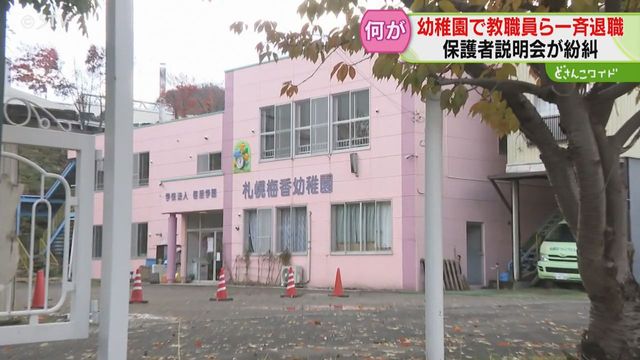
Nearly eight workers resigned from a heavily staffed institution in Japan, prompting an investigation by the Labor Standards Inspection Office in July. As the situation develops, many ongoing questions about the nature of their departures and allegations of potential workplace issues loom. The public is eagerly awaiting further updates, as this situation could potentially shed light on broader labor rights issues in the country.
Labor issues and workers’ rights are of significant interest in Japan. The country has strict labor laws and takes the well-being and rights of its workers seriously. However, situations like these reflect recurring instances where employees may not experience satisfactory work conditions, leading to resignations that trigger labor standard checks. The Japanese public therefore tends to pay close attention to such cases, as they could signal systemic labor issues.
In the US or EU, labor rights and worker welfare issues are dealt with stringently - labor unions often take the lead in advocating for worker rights. As for mass resignations, they tend to spark extensive media reporting and public scrutiny, similar to the current situation in Japan. However, labor laws vary extensively by country in the EU and by state in the US, leading to different thresholds for triggering inspections and different interpretations of labor laws.