
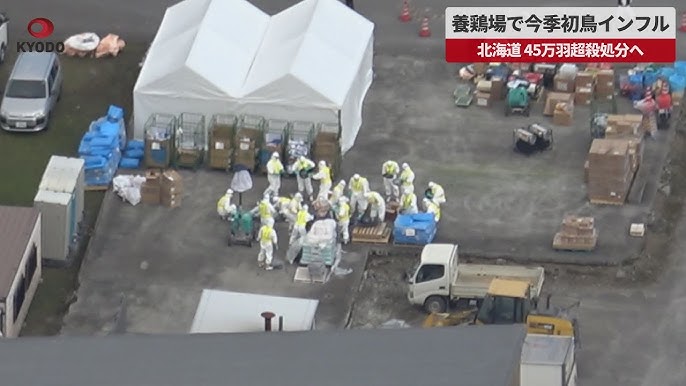
Japan has experienced its first case of avian influenza (bird flu) for the season, resulting in the culling of over 450,000 poultry. The plan to control the spread of the virus includes strict sanitation measures and a ban on transports of poultry and eggs within a certain radius of the affected site. The action was swift in a bid to prevent economic damage to the poultry farming industry and potential risk to human health.
The occurrence of bird flu can result serious economic consequences for Japan's poultry industry. Consequently, Japan’s response is swift and decisive. Stringent legal measures govern the process of handling such outbreaks with strict sanitation, quarantine zone establishment, and disposal procedures. As this impacts the livelihood of farmers, the government often provides compensation to those affected.
Similar to Japan, the US and EU are also swift in their response to avian influenza outbreaks. There's a focus on swift containment, public health, and easing the industry's economic burden. In the EU, outbreaks may result in trade restrictions, and in the U.S., a similar compensation system for affected farmers exists.